One of the first choices on any window project is the frame material. The good news is that both aluminum and PVC can be engineered to a high performance class and, where needed, fully impact rated. The decision is not really about capability, it is about sightlines, budget, insulation and how harsh the environment is right outside.
Where aluminum wins
- Strength. Aluminum carries higher structural loads, which suits tall openings, large glass and exposed sites.
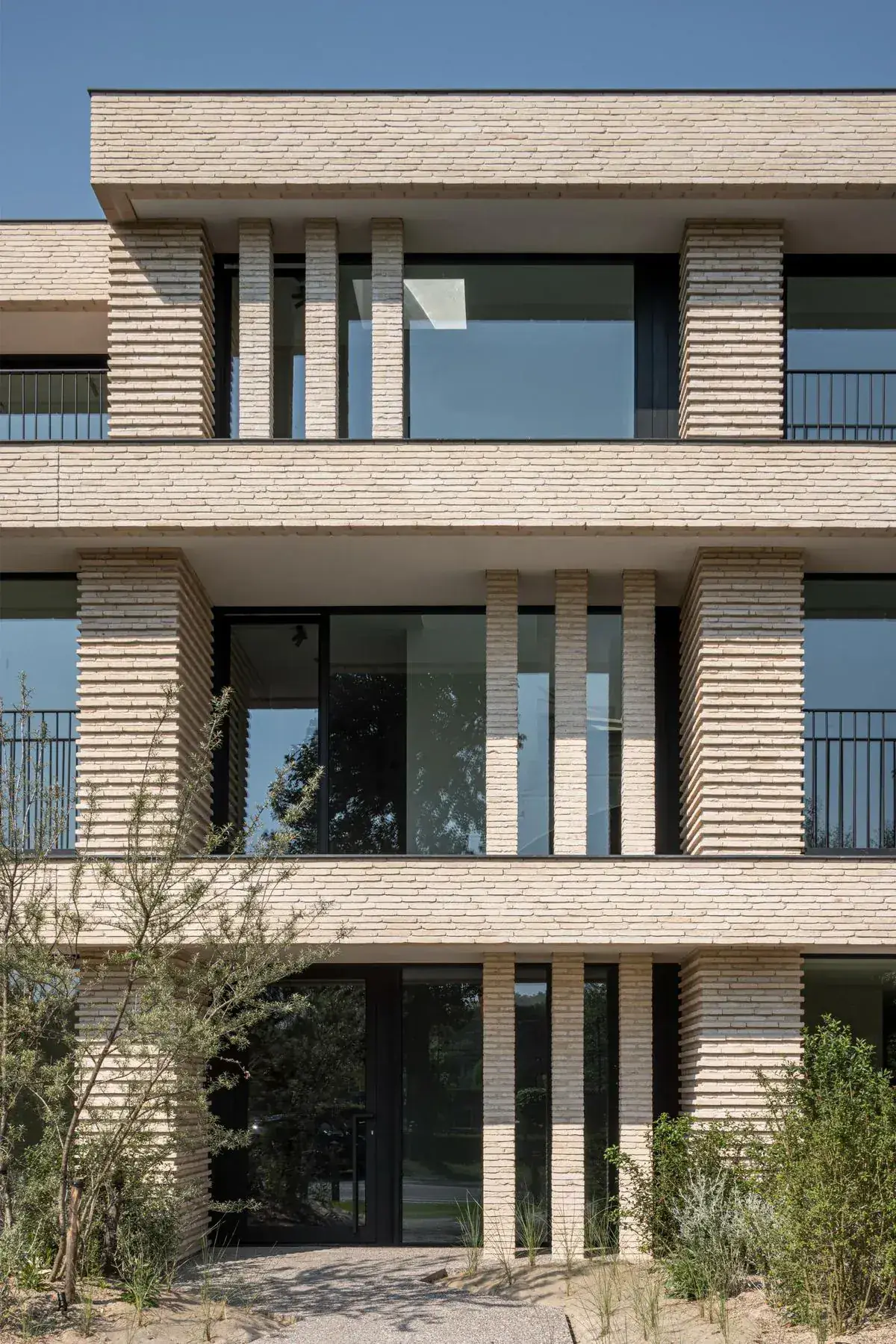
- Slim sightlines. Thinner frames mean more glass and a cleaner, more modern look.
- Big spans. Sliding and facade systems that open a whole wall are almost always aluminum.
- Longevity and finish. Powder-coated aluminum holds its color for decades and comes in effectively any RAL.
Where PVC wins
- Value. PVC systems usually deliver the same performance class at a lower cost.
- Insulation. Multi-chamber PVC is a natural insulator, which helps energy bills.
- Corrosion resistance. PVC does not corrode, so it shrugs off salt-laden air with almost no maintenance.
- Low upkeep. A wipe-down is generally all it needs.
The environment question
Very close to the water, both materials work but age differently. Quality powder-coated aluminum resists corrosion well and is the standard for high-rise and architectural coastal work. PVC never corrodes at all, which makes it a low-maintenance favorite right on the shoreline. Either is a sound choice when the system is engineered and finished for the exposure.
So which should you choose?
Lead with your priority. If you want the slimmest frames, the largest glass or a facade-scale opening, choose aluminum. If value and insulation top your list, or the home sits in harsh air, PVC is hard to beat. Both can be specified to the same performance class.
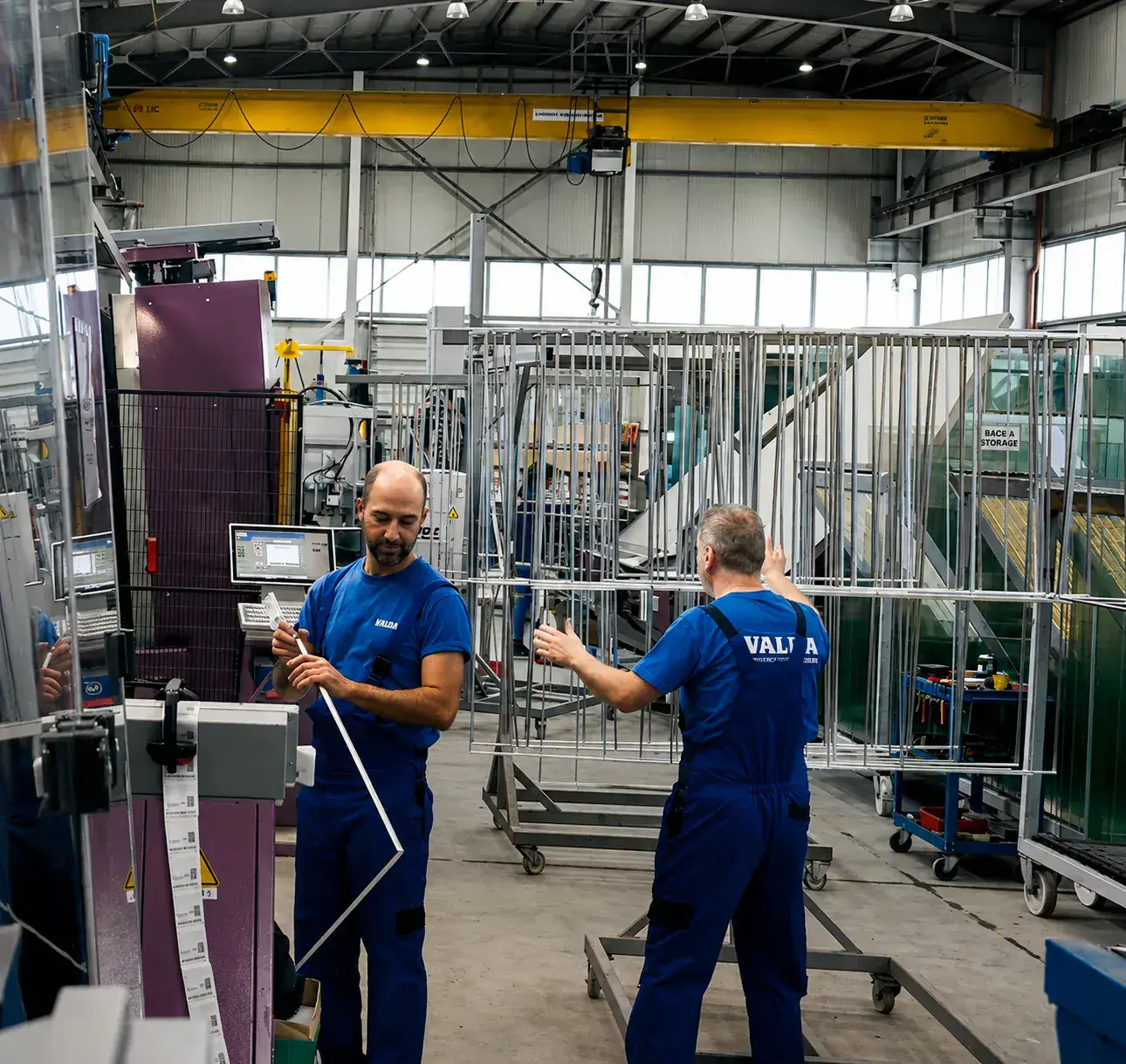
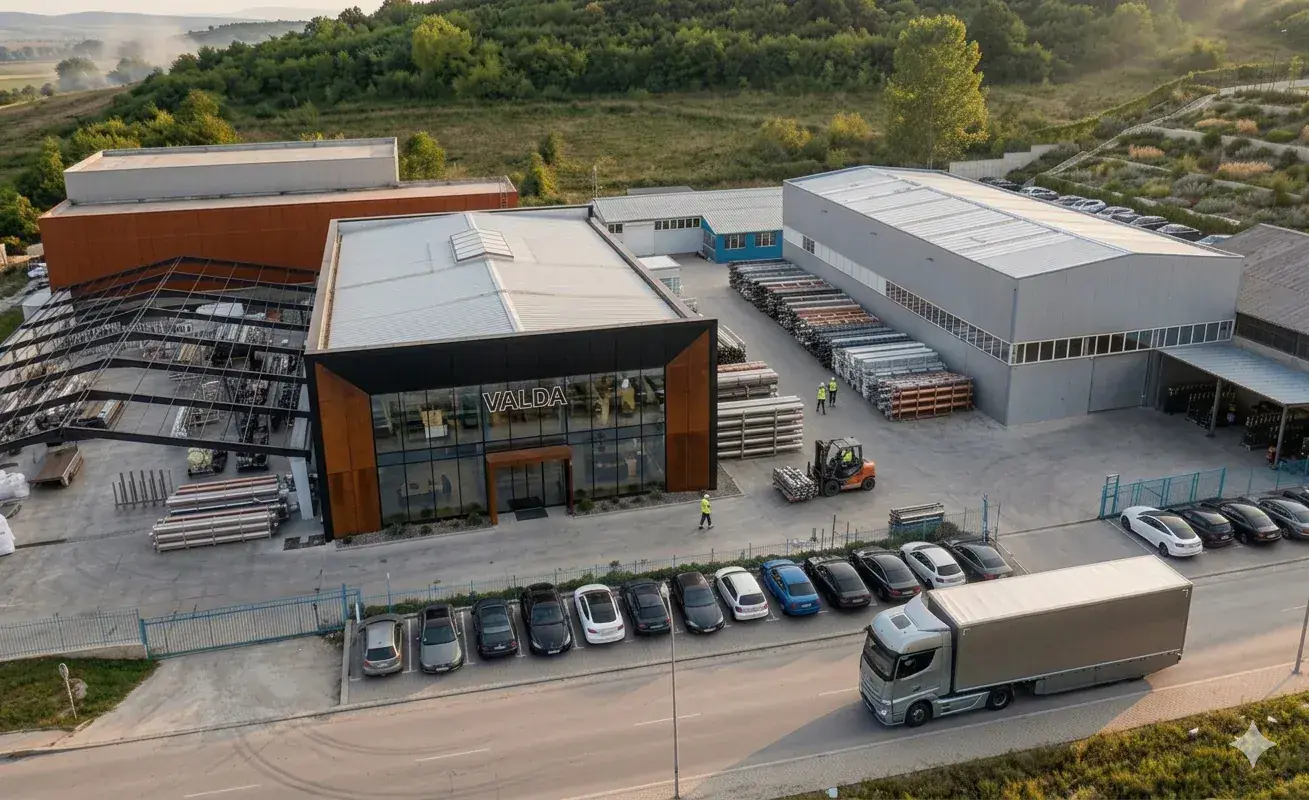
VALDA builds both, from slim aluminum systems to high-performance PVC, all engineered in Europe. Not sure which fits your project? Configure it in 3D, send us your drawings, or we can talk it through.
FAQ
Frequently asked
Are PVC windows as strong as aluminum?
PVC windows are reinforced with galvanized steel and can meet high performance classes, including impact ratings. Aluminum carries higher structural loads, which matters most on very large or tall openings.
Which lasts longer near the coast, aluminum or PVC?
Both last for decades when engineered for the exposure. Powder-coated aluminum resists corrosion and is the norm for coastal high-rise work; PVC does not corrode at all and needs almost no maintenance.
Is aluminum or PVC more energy efficient?
Multi-chamber PVC is a better natural insulator, but modern thermally-broken aluminum closes much of the gap. Glazing choice usually affects energy performance more than the frame material.
Planning a project?
Tell us about your openings and we will match the right certified system.