PVC, more precisely uPVC, is one of the most widely used window materials in the world, and for good reason. It insulates naturally, resists corrosion and needs almost no maintenance. How it is manufactured explains where that performance comes from.
1. The compound
It starts as a dry compound: PVC powder blended with stabilisers, impact modifiers and UV protectors. That recipe matters, because it determines how the frame handles sun, cold and time. Good compounds hold their color and resist becoming brittle.
2. Twin-screw extrusion
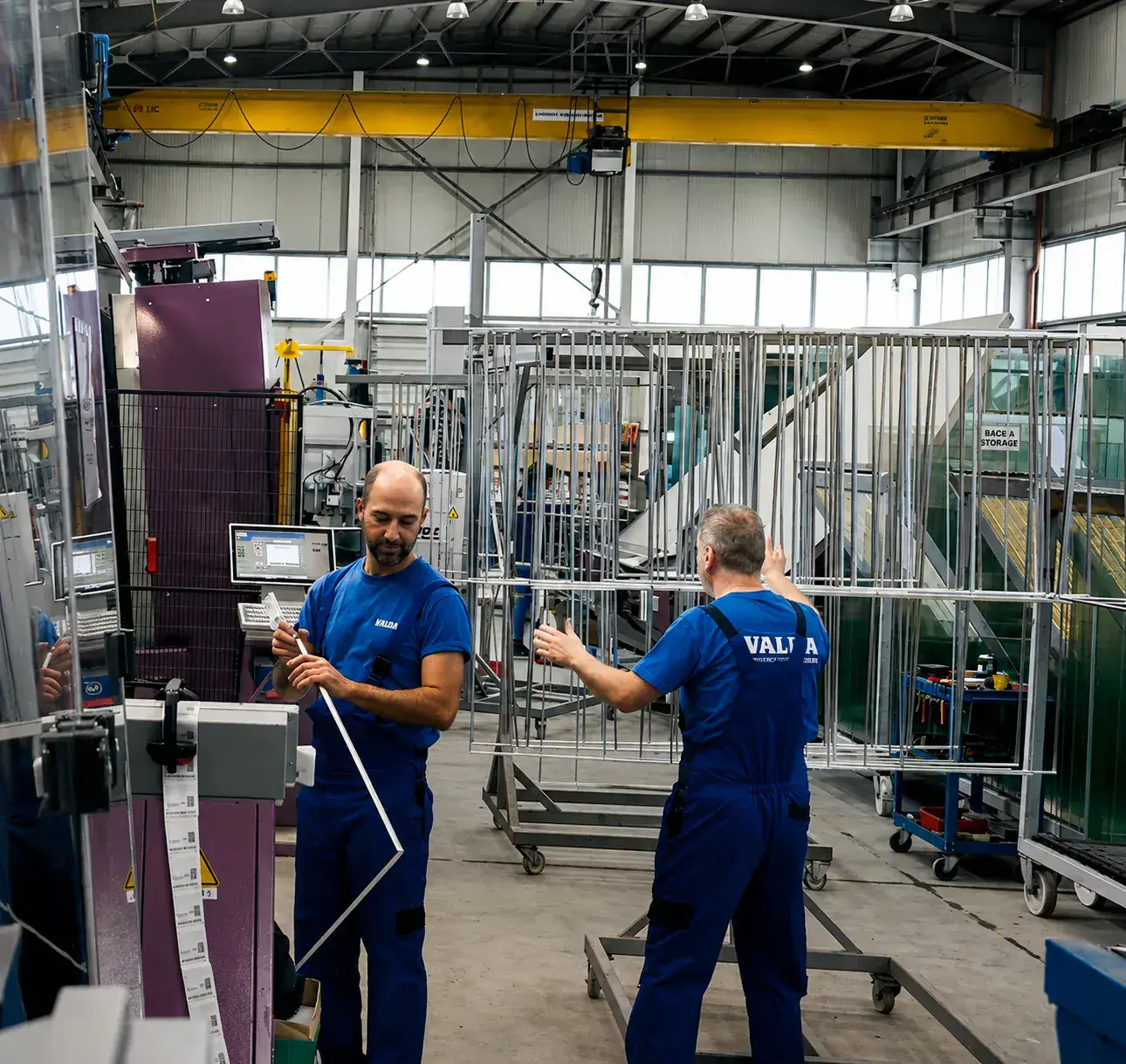
The compound is fed into a twin-screw extruder, which heats and mixes it into a molten stream and pushes it through a die shaped like the profile cross-section. As it leaves the die it passes through calibration and cooling, which lock in the exact dimensions and a smooth surface.
3. The multi-chamber profile
Look at a cut PVC profile and you will see a honeycomb of hollow chambers. Those air chambers are deliberate. Each one is a pocket of trapped air that slows the transfer of heat, which is why multi-chamber PVC frames insulate so well without any added thermal break.
4. Steel reinforcement
PVC on its own would flex. So galvanized steel is inserted into the main chamber of the profile to give it rigidity, especially on larger units and doors. The steel does the structural work; the PVC does the insulating and weathering.
A quality PVC window is really a composite: insulating multi-chamber plastic on the outside, structural steel on the inside.
5. Fusion-welded corners
The profiles are cut to length and the corners are fusion welded. The ends are heated until molten and pressed together, fusing into a single continuous frame rather than pieces bolted together. That welded corner is what makes a PVC window airtight and strong at its most vulnerable point.
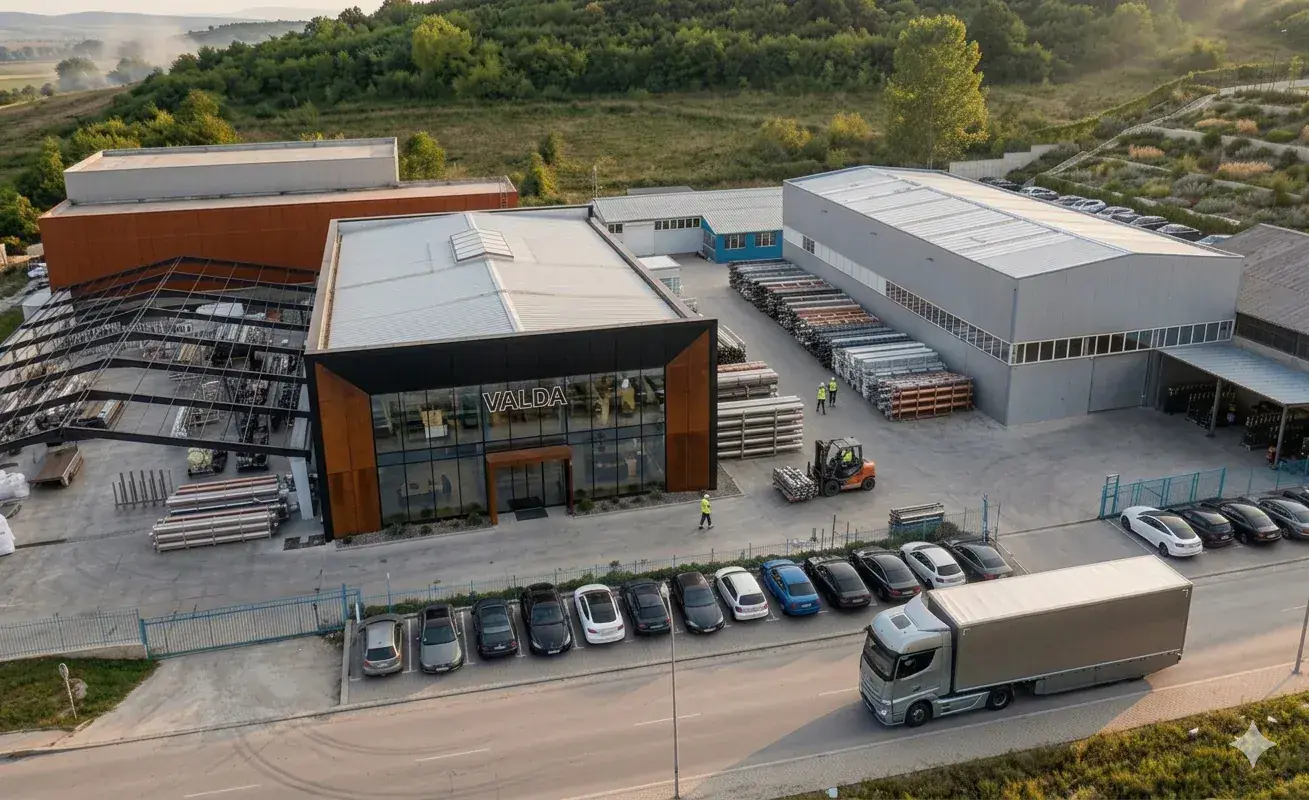
The result is a frame that is warm, quiet, corrosion-proof and durable. VALDA produces PVC systems in Europe to exactly this standard, which is why they perform far above the budget-window reputation.
FAQ
Frequently asked
Why do PVC windows have multiple chambers?
Each hollow chamber traps a pocket of air, and trapped air is a good insulator. More chambers generally mean better thermal performance, which is why quality PVC frames insulate well without an added thermal break.
Do PVC windows have steel inside?
Yes. Galvanized steel is inserted into the main chamber of the profile to give the frame rigidity, particularly on larger windows and doors. The steel provides structure while the PVC insulates and weathers.
Are welded corners better than mechanical joints?
Fusion-welded corners fuse the profile into one continuous frame, which is stronger and more airtight than corners that are screwed or bracketed together.
Planning a project?
Tell us about your openings and we will match the right certified system.